

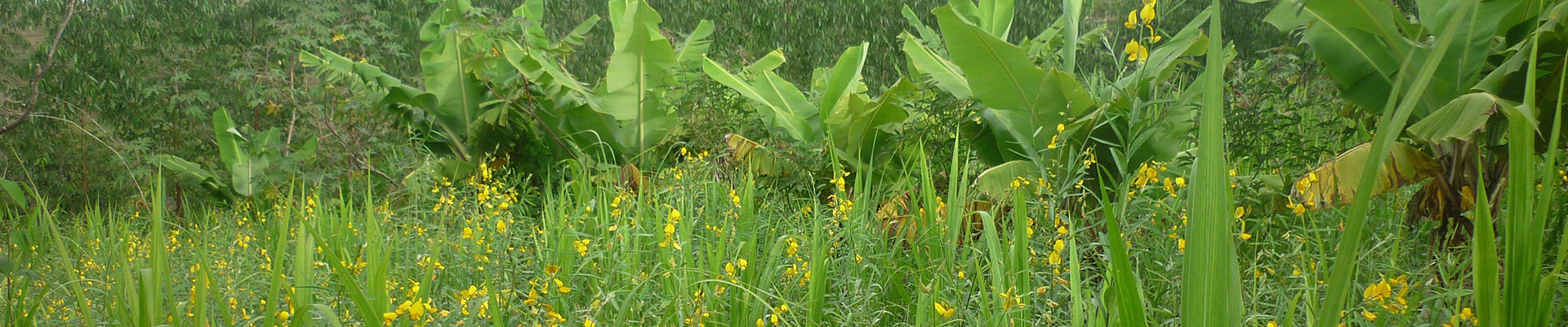
Ananda Vasundhara Master Unit, aims to create an ecological settlement that works as model all-round service and rural multipurpose development center on a rural site in the center of Brazil.
Ananda Vasundhara is in the process of becoming a model of sustainability and volunteer action in practice, as well as being a education and research resource. It will include a Wellness center, which will provide Naturopathic and Yogic remedies to people suffering from acute and chronic diseases. It will include renewable energy generation, biological waste water treatment, intensive food production and small scale economic systems. It will include settlements for collective projects as well as individual houses and big natural areas, for a balanced and sustainable center. With an eye set on spiritual development, it will also count with numerous courses, workshops and trainings that will give an opportunity to everyone to realize their true mission in life, learning how to achieve their goals.
In a nutshell, a Master Unit is a self-sufficient zone, based on all-round service, that inspires and offers a more balanced, healthy and proactive lifestyle. Using an economical sustainable model (PROUT), it acts as a nerve centre for the local community, and demonstrates new technologies for environmental sustainability while providing guidelines in order to facilitate its replication.
People can move at unison utilizing fully their potentialities, in harmony with nature and surrounding communities, expanding all possible ways by which they can serve, through education, culture, economics and spiritual upliftment.
Goals
- Create a model for sustainable 21st century living, based on neohumanist values and all-round service, which would serve as a replicable educational, research and service resource for Brazil;
- Act as a social hub, as “nerve center” for science, arts, education, culture, economics and consciousness studies;
- Through a neo-humanistic and spiritual education, help improving the fate of all living beings, irrespective of all artificial barriers as well as provide for residents and the surrounding community material and nonmaterial needs in a supportive environment;
- Maximize the potential for earning within the local community by increasing self-reliance in food, energy and housing and the scope of service projects inside the community itself;
- Maximize lifestyles that promotes living in harmony with the environment and minimizing pollution to air, water and land;
- Demonstrate a new approach to rural regeneration, showing the potential for agricultural and economic productivity of land through the application of ecological sustainability, Permaculture design and Neohumanist approaches.